Frequently searched keywords:


Start Date: 18/04/2026 09:00
End Date: 19/04/2026 19:00
The Microsoft CMT service was used for managing the peer-reviewing process for this conference. This service was provided for free by Microsoft and they bore all expenses, including costs for Azure cloud services as well as for software development and support.
A scientific meeting bringing together young researchers at national and international levels.
📅 April 18–19 2026
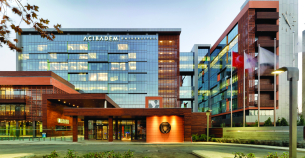
📍 Acıbadem University
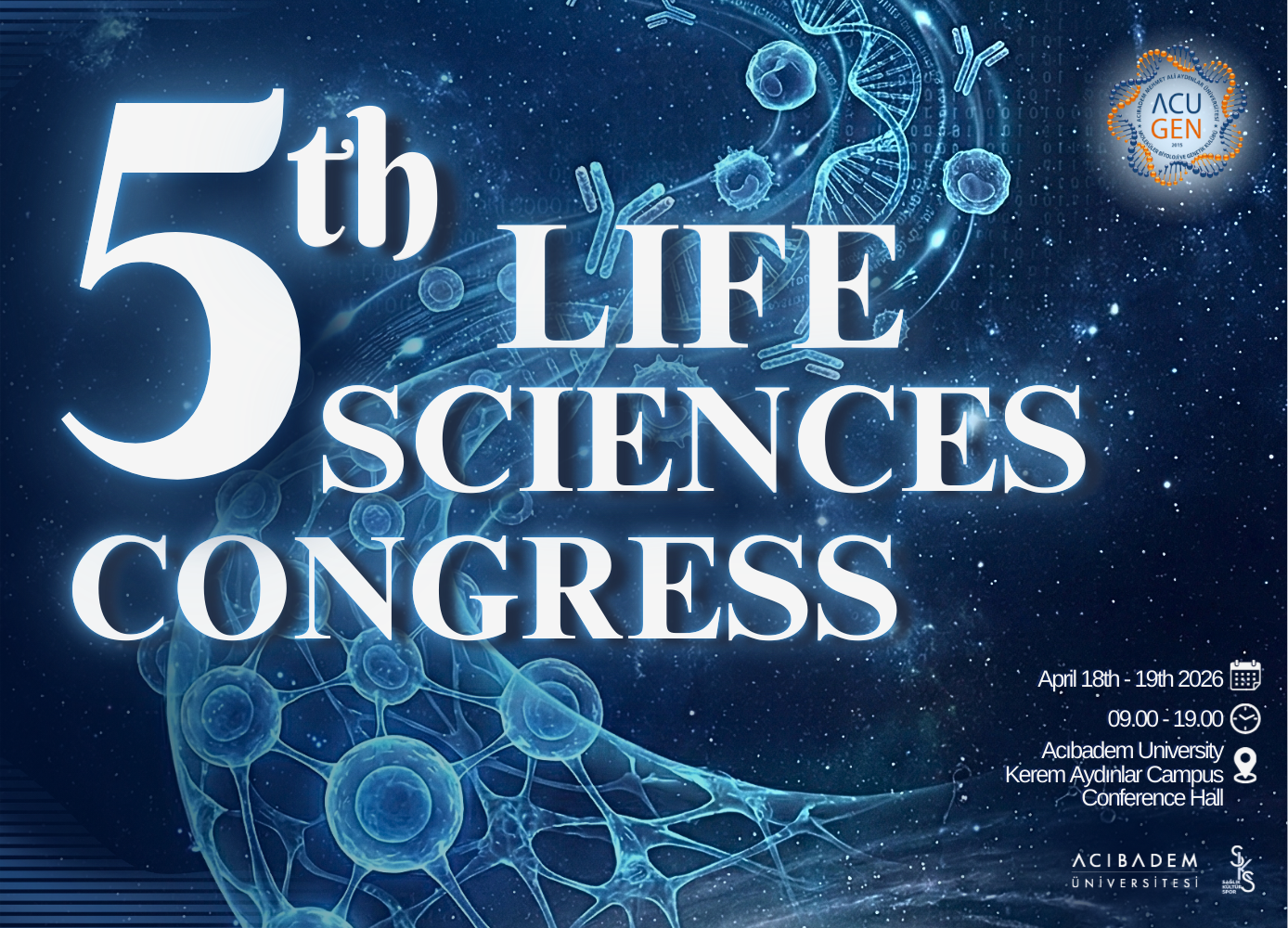
The ACUGEN 5th Life Sciences Congress is structured around a central theme exploring the future of life sciences at the intersection of artificial intelligence technologies and space biology. This theme emphasizes the use of artificial intelligence in biological data analysis, the effects of space environments on living systems, and innovative research emerging from the convergence of these two rapidly evolving fields.
The congress aims to strengthen interdisciplinary interaction and scientific collaboration by bringing together artificial intelligence–assisted approaches and space biology–oriented research across a wide range of disciplines, including molecular biology, bioinformatics, neuroscience, and biotechnology.
SCIENTIFIC SESSIONS
| SPEAKERS | |
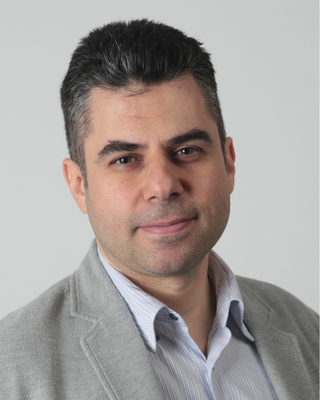
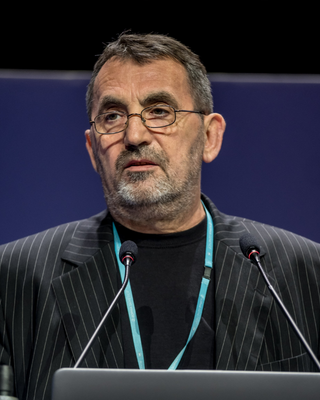
![]() | Dr. Ogün Adebali received his undergraduate degree from the Department of Molecular Biology and Genetics at Middle East Technical University. He began his doctoral studies in the United States at the University of Tennessee, where he transitioned from experimental biology to computational biology and completed his PhD on the molecular evolution of proteins. He continued his research as a postdoctoral fellow at Oak Ridge National Laboratory, and later at the University of North Carolina, focusing on genome-scale analyses of DNA damage and repair. Since 2018, he has been leading his own research group at Sabancı University, conducting studies on DNA damage responses, mutational mechanisms, and evolutionary genetics. Dr. Adebali has been honored with prestigious awards, including the 2018 EMBO Installation Grant, 2019 TÜBİTAK International Fellowship for Outstanding Researchers, 2019 BAGEP Award, 2021 TÜBA-GEBİP Award, 2022 METU Mustafa Parlar Foundation Research Incentive Award, and the 2024 TÜBİTAK Incentive Award. |
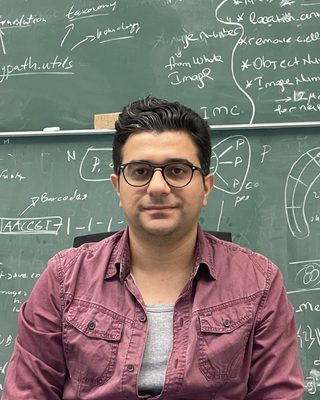
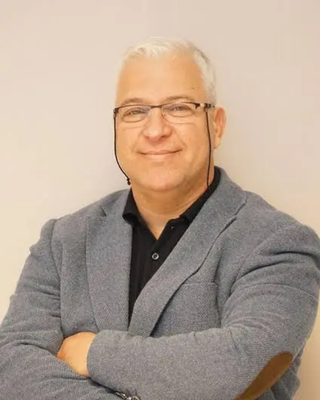
![]() | Assoc. Prof. Dr. Mehmet Baysan is currently a faculty member in the Department of Computer Engineering at Istanbul Technical University. He founded and currently manages BaysanLab, which brings together scientists from different fields such as Computer Engineering, Genetics, Biotechnology, and Medicine. Dr. Baysan graduated from Bilkent University's Computer Engineering Department in 2003 and completed his master's and doctoral degrees at The University of Texas at Dallas' Department of Computer Science in 2005 and 2008, respectively. In 2010, Dr. Baysan shifted his research focus to computational biology as a postdoctoral researcher in the Neuro-Oncology Branch of the National Cancer Institute (NCI), part of the National Institutes of Health (NIH) in the United States. Dr. Baysan then continued his bioinformatics research as a full-time researcher at the NYU Cancer Institute (2013) and subsequently at Weill Cornell Medical College (2015). Dr. Baysan's primary research focus is on using computer technologies to transform health (particularly genetic) data into the most efficient diagnostic and therapeutic information and practical tools. |
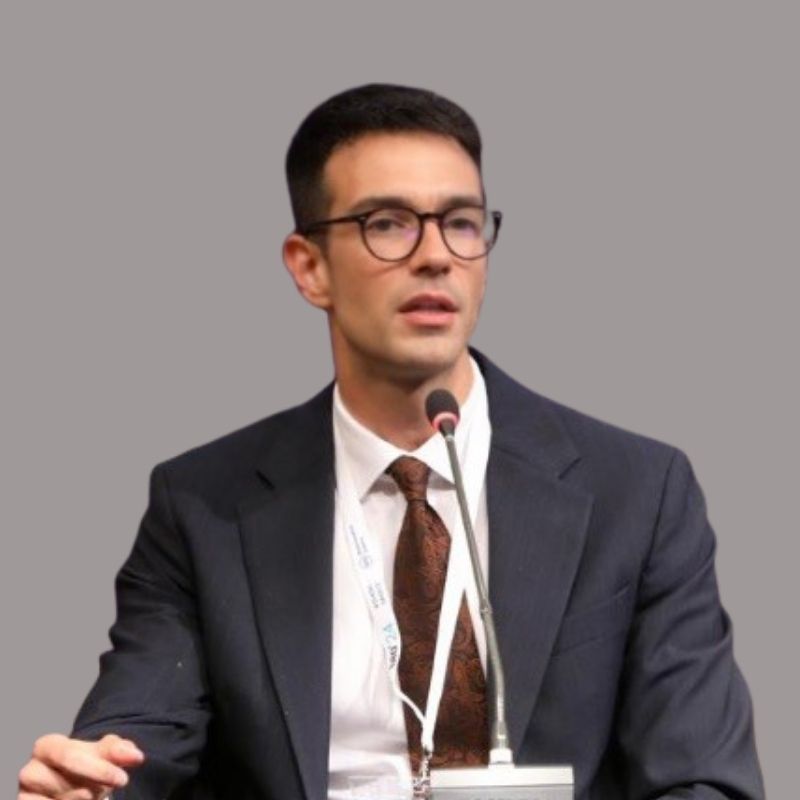
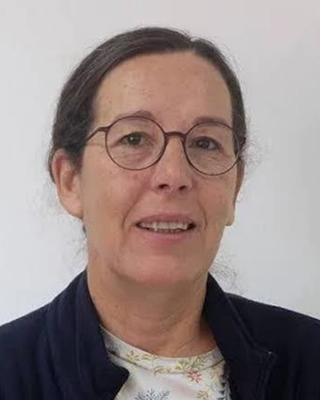
![]() | Dr. Ahmet Süreya Rifaioğlu is a researcher at the Institute for Computational Biomedicine, Heidelberg University, Germany. He received his PhD from the Department of Computer Engineering at Middle East Technical University. His doctoral research primarily focused on applying machine learning and deep learning for computational drug discovery. During his PhD, he also spent a year as a predoctoral visiting researcher at the European Bioinformatics Institute (EMBL-EBI) in Cambridge, UK. After completing his PhD, he joined the Saez Lab at Heidelberg University as a postdoctoral researcher in the Deep Learning for Single Cell in Cancer (DEEP-SC2) project, funded by Germany’s Federal Ministry of Education and Research (BMBF). In 2023, he was awarded the Medical Data Scientist Fellowship by Heidelberg University. His research focuses on developing problem-driven algorithms for computational scientific discovery to advance understanding of disease mechanisms. Currently, he is designing methods to identify clinically relevant spatial regions and cellular interactions in cancer, with a particular focus on brain tumours, using large-scale spatial and single-cell data. |
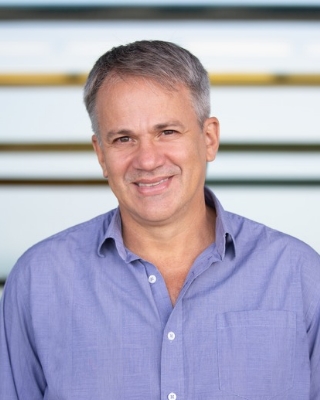
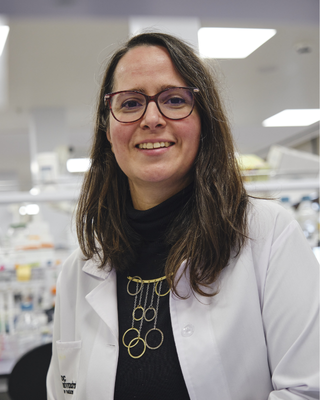
![]() | Dr Georgios Miliotis is an Assistant Professor at the University of Galway (School of Medicine), working at the interface of microbial ecology, infectious diseases, and space microbiology/planetary protection. He leads a hybrid wet-lab/computational research group that integrates cultivation, multi-omics, and comparative genomics to understand how microorganisms persist, adapt, and evolve across extreme and engineered habitats (including spacecraft cleanrooms and the International Space Station) as well as terrestrial clinical and environmental systems relevant to One Health. His research focuses on translating ecological and evolutionary insights into practical risk frameworks by linking genotype to phenotype, analysing mobile genetic elements, and identifying virulence and fitness determinants that influence microbial survival, transmission, and treatment outcomes. The team also develops predictive models for microbial survivability under mission-relevant constraints, including simulated microgravity and resource-limited conditions, using quantum and quantum-inspired optimisation methods. Dr Miliotis is a member of the European One Health Association (EOHA) Scientific Committee and is affiliated with the Ryan Institute at the University of Galway and the Centre for Personalised Medicine at Ulster University. |
![]() | Dr. Daniela Bezdan |
![]() | Prof. Dr. Alexandre Soares Rosado |
![]() | Béla Melegh, MD, PhD, DSc, is professor of Medical Genetics and Pediatrics at the University of Pécs, Hungary, where he graduated in 1978. His long-standing scientific interest focuses on genetic and genomic rare and undiagnosed diseases. Dr. Melegh is actively involved in undergraduate and postgraduate education of medical doctors and biologists and previously served as Vice-Dean of the Faculty of Medicine (2003–07). He has held several leading professional roles, including President of the Hungarian Society of Human Genetics (2010–18), Board Member of the European Society of Human Genetics (2010–15), President of the Branch of Medical Genetics and Genomics of the European Board of Human Genetics (2014–19), and President of the Section of Clinical Genetics of the UEMS (2014–2018). He also served on the Board of the Undiagnosed Diseases Network International (2015–19). Dr. Melegh initiated the creation of the Multidisciplinary Joint Committee on Rare and Undiagnosed Diseases (2016) and the European Board of Rare and Undiagnosed Diseases (2022) within the UEMS, chairing both. He has participated in 23 national and EU-funded research projects and has co-authored more than 400 peer-reviewed publications. |
![]() | Prof. Ihsan Gursel, is the former Director of Izmir Biomedicine and Genome Center (IBG). He is leading the ThorLab on Adjuvant Innovation and Nanobiotechnology Research Laboratory. He spent more than thirty years of his career working in different research and government institutes. His research focus is on immunology, vaccinology, nanomedicine, and biomaterials. His research laboratory engaged in activities aiming to understand the immunomodulatory properties of DNA on mammalian immune system and attempts to develop more effective treatment modalities to cancer, autoimmune, autoinflammatory diseases as well as infectious diseases with an interdisciplinary approach. He supervised more than 50 graduate thesis and published over 105 refereed articles and book chapters along with a dozen of patent filings. His Research Lab. co-pioneered the development of the virus like particle (VLP) vaccine against SARS-CoV-2 virus, the only vaccine candidate harboring all four structural protein antigens known to reach first in human clinical trials during COVID-19 pandemic era. He has received over 15500 citations (H-Factor: 51). He is a full-member Academy of Sciences of Turkiye and past president of the Turkish Society of Immunology. |
![]() | Prof Mayda Gursel, received her PhD degree from University of London, The School of Pharmacy in 1995. Dr. Gursel’s research is focused on pattern recognition receptor ligands and their therapeutic applications as immune modulators and vaccine adjuvants. From 1998 to 2006, Dr. Gursel worked at the U.S. Food and Drug Administration (FDA), Center for Biologics Evaluation and Research (CBER) at NIH Campus first as a post-doctoral fellow and then as a senior scientist regulating viral vaccine products. Following her post at the METU, Prof Gursel, joined Izmir Biomedicine and Genome Center (IBG) research Laboratory at IBG tries to decipher the mechanisms and immuno-therapeutic applications of Innate immune system sensors. Additionally another line of research includes investigation of the immunomodulatory effects of microbial derived extracellular vesicles along with design of effective adjuvants and vaccines against infectious diseases. Her research group pioneered the development of Virus Like Particle (VLP) vaccine during COVID19 pandemics. She is heavily investing her efforts to reveal the immunological manifestations of primary immune deficiencies along with understanding the mechanisms of immune dysregulation. She has published over 100 peer reviewed articles and book chapters that received over 14000 citations (H-index:44) and appears as a co-inventor of more than 10 international patents. |
![]() | Dilek Telci Temeltaş is a Professor of Molecular Cell Biology in the Department of Genetics and Bioengineering at Yeditepe University. She received her BSc in Biology, MSc in Medical Genetics and Immunology, and PhD in Molecular Cell Biology from Middle East Technical University, Brunel University London, and Nottingham Trent University, respectively. Following postdoctoral and research associate fellowships at Sabancı University and Aston University, she joined the Department of Genetics and Bioengineering at Yeditepe University. The primary focus of Prof. Dr. Telci Temeltaş’s research is on cell adhesion, migration, and signalling mechanisms regulating extracellular matrix remodeling in fibrosis, cancer metastasis, and therapy resistance. Her research is supported by national and international grants, including projects funded by the European Union, TÜBİTAKand TUSEB. More recently, her work has expanded to include translational studies on the role of tissue transglutaminase (TG2) in cancer progression and metastasis, biomarker discovery in endometriosis, and the molecular mechanisms underlying repeated implantation failure (RIF) in assisted reproduction, as well as the development of targeted therapeutic strategies for breast and prostate cancer. |
![]() | Dr. Ece Öztürk is an Asst. Professor at the Dept. of Medical Biology, School of Medicine and Research Center for Translational Medicine (KUTTAM) at Koç University. She received her bachelor’s degree in Chemical and Biological Engineering from Koç University. She completed her master's and doctoral studies in Biomedical Engineering at ETH Zurich. During her PhD, she focused on cartilage tissue engineering and developing biomimetic materials for chondrocyte implantation and cartilage regeneration. She then received the Swiss National Science Foundation Fellowship to conduct her postdoctoral research at Columbia University, Dept. of Biomedical Engineering. There she worked on lung tissue engineering and modeling organotropism of breast cancer metastasis within integrated multi-tissue platforms for which she received the NSF Innovation Corps Award. In 2020, she established her independent laboratory at KUTTAM. Her current research interests include tumor tissue engineering, engineered patient-derived tumor organoid models as well as modeling tumor progression and metastasis. She has received prestigious grants and awards including TÜBİTAK International Fellowship for Outstanding Researchers and National Young Leaders Programs, Marie Skladowska-Curie Fellowship, L’Oréal-UNESCO For Women in Science Award and TÜBA-GEBİP Award. |
Registration Types and Fees
🍽️ Early Bird Registration (Lunch Included)
750 TRY
Lunch is included throughout the congress
Limited quota
🍽️ Regular Registration (Lunch Included)
900 TRY
Lunch is included throughout the congress
❌🍽️ Registration Without Lunch
450 TRY
Lunch is not included
📌 Once the Early Bird quota is filled, regular registration fees will apply.
Participation with Presentation
Participants who wish to attend the congress with an oral or poster presentation are required to submit an abstract within the scope of the Call for Abstracts, in addition to completing the registration process.
The acceptance of abstracts will be determined following the evaluation of the Scientific Committee.
Important Information
Participants who complete the registration process and attend all scientific sessions of the congress will be awarded a certificate of participation.
The official language of the congress will be English.
🔗 Click Here For The Registration Form.
The ACUGEN 5th Life Sciences Congress invites undergraduate students, graduate students, and early-career researchers to submit abstracts presenting their original research and scientific studies.
The congress aims to provide a multidisciplinary platform for sharing innovative research conducted in the fields of molecular biology, genetics, biotechnology, bioinformatics, neuroscience, immunology, stem cell research, artificial intelligence–assisted biological studies, and space biology.
Submitted abstracts will be evaluated by the Scientific Committee based on scientific quality, originality, relevance to the congress theme, and clarity of presentation. Accepted abstracts will be presented as oral presentations or posters, in accordance with the evaluation results.
We warmly encourage young researchers who wish to contribute to science, exchange ideas, and engage in interdisciplinary discussions to submit their abstracts and take part in the ACUGEN 5th Life Sciences Congress.
Click Here to Submit Your Abstract.
RESEARCH / SUBJECT AREA
Important Dates
Abstract Submission Deadline: 15/03/2026
Notification of Acceptance: 03/04/2026
Congress Dates: April 18–19, 2026
Congress Advisor: Prof. Dr. Batu Erman
Club President: Maşallah Akiba
Vice President: Ferhat Keleş
Scientific Program & Session Coordination
General Secretary: Efe İsmail Canikli
Coordinator: İdil Kazma
Coordinator: Kerem Yiğit Küçükkale
Team Member: Aslan Palaska
Team Member: Hilal Kınalı
Team Member: Ilgın Erol
Team Member: Osman Yıldırım
Team Member: Sena Miray Koçar
Team Member: Sena Özcan
Team Member: Payam Hosseini
Team Member: Vuslat Sezer
Sponsorship & Institutional Relations
Head of Finance: Ceren Çelik
Coordinator: Arhan Kurt
Coordinator: Mücteba Yıldız
Team Member: Alperen Kalkancı
Team Member: Arif Emre Aksebzeci
Team Member: Aydın Civelek
Team Member: Ayşe Ergen
Team Member: Dilay Korkmaz
Team Member: Elif Ergen
Team Member: Emre Yeşilgül
Team Member: Feyza Tatar
Team Member: Mirhan Hamdi Everdi
Team Member: Naz Sude Sarıtaş
Team Member: Nehir Mert
Team Member: Osman Yağız Algan
Team Member: Zeynep Uslu
Design & Visual Communication
Co-Head of Design: Duygu Alpoğan
Co-Head of Design: Mina Zeynep Aydın
Coordinator: Eylül Yarışoğlu
Team Member: Zeynep Ela Akdereli
Team Member: Delfin Melis Ahlatcı
Team Member: Beyza Betül Bayraklı
Social Media & Communications
Head of Social Media: Tuğçe Nur Yakışan
Coordinator: Verda Tekinbay
Team Member: Aybüke Demirci
Team Member: Ayça İrem Gündem
Team Member: Ayşenaz Öztürk
Team Member: Hilal Becerik
Team Member: Nur Sena Bakgör
Team Member: Zeynep Bilge
The ACUGEN 5th Life Sciences Congress is strengthened through collaborations with institutions and organizations that support scientific production in the life sciences and value academia–industry partnerships. This congress seeks to encourage knowledge exchange and sustainable collaborations by bringing together young researchers, academics, and industry representatives on a shared platform. Within this framework, we invite institutions and organizations operating in the fields of science and health to become part of a high-quality academic environment where they can share their knowledge, experience, and vision.
Sponsorship and partnership support contribute to the enrichment of the scientific content of the congress while also offering supporting institutions increased visibility, engagement, and direct interaction with young scientists.
We are dedicated to strengthening the ACUGEN 5th Life Sciences Congress together through innovative and sustainable collaborations that add value to science.
Institutions and organizations interested in sponsoring our congress or learning more about collaboration opportunities are welcome to contact us. We are pleased to state that we are open to all forms of collaboration that contribute to scientific advancement.
📩 For sponsorship and collaboration inquiries: acugen@live.acibadem.edu.tr